
Shadows and Stone: A Photographic Tour of Angkor Temples
By Ashutosh Mahajan | Ishaa Art Emporium Cambodia is a photographer's paradise where ancient stone, golden light, and invading jungle roots create dramatic visual stories. Here is your ultimate guide to the must-visit temples of the Angkor region — when to go, where to stand, and how to capture the true essence of the Khmer Empire.
Contents
1. Angkor Wat: Capturing the Golden Hour
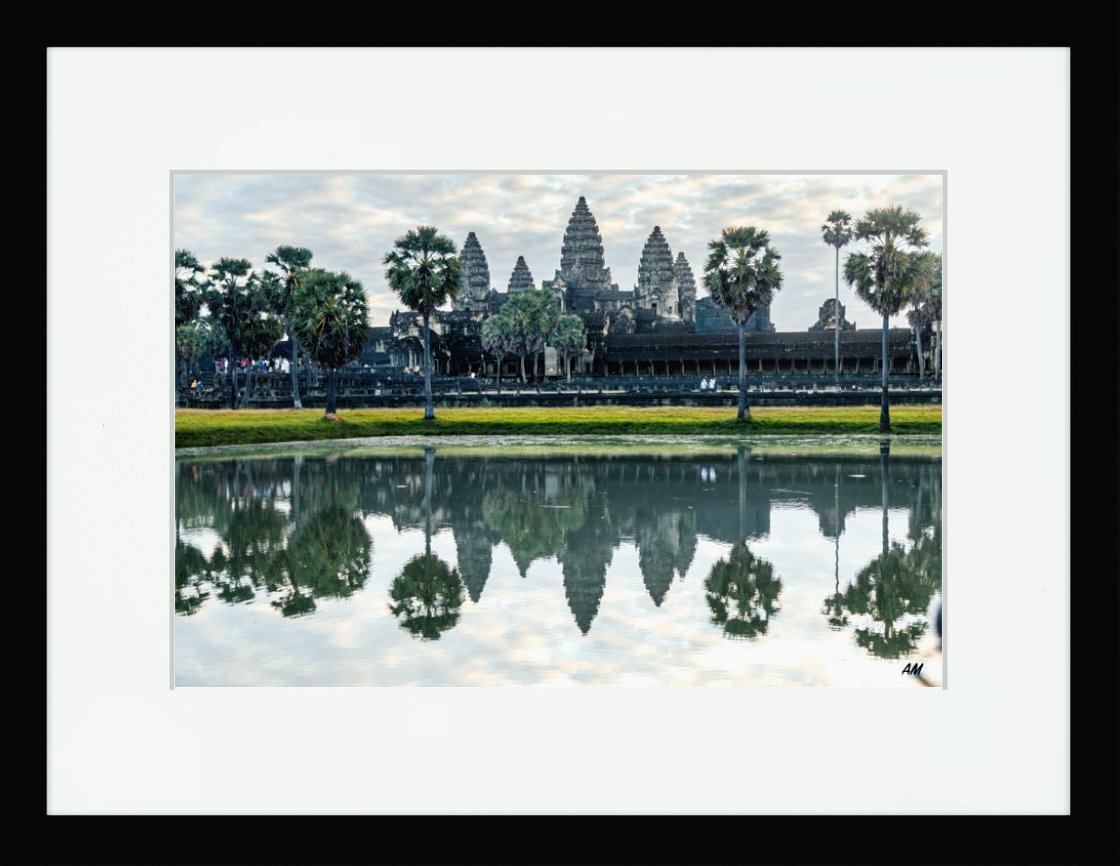
Angkor Wat is the crown jewel of your photography tour. The ultimate bucket-list shot for every Cambodia photographer.
The Shot:
The classic reflection shot of the five temple towers in the northern lotus pond. Arrive in darkness to watch the silhouette emerge. This is the most searched Angkor Wat photography composition for a reason.
Timing & Light: Sunrise is essential. Arrive at least one hour before dawn to secure a spot by the pond. Use a tripod, ISO 100-200, f/8-f/11. Stay 30 minutes after sunrise for soft golden light on the bas-reliefs.
2. Angkor Thom: Faces and Grandeur
The ancient royal city of Angkor Thom offers diverse photographic textures — from wide moats to towering gateways.
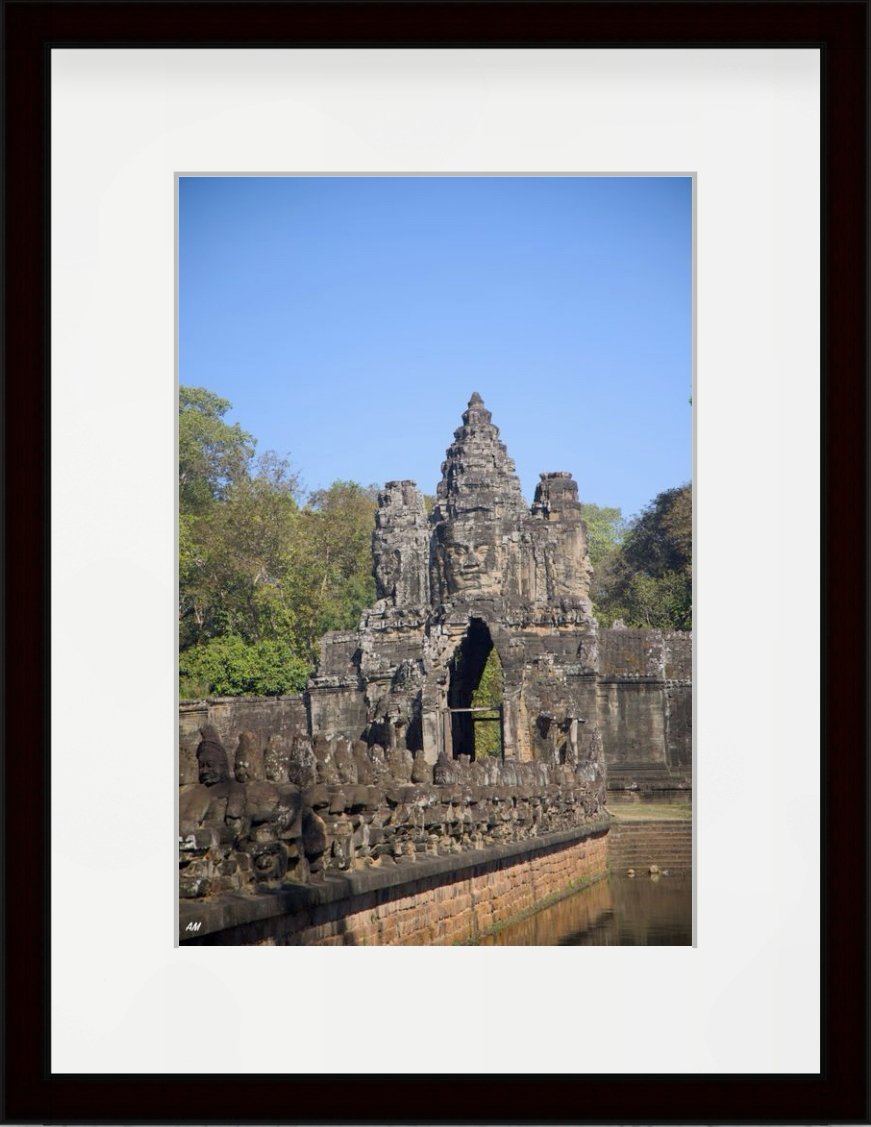
South Gate: The Avenue of Gods and Demons
Stop here before entering the city. Shoot from the edge of the moat to compress the perspective of the 108 stone statues (gods and demons) lining the bridge. Use a circular polariser to control reflections on the water and enrich the blue sky behind the giant stone faces on the gate tower.
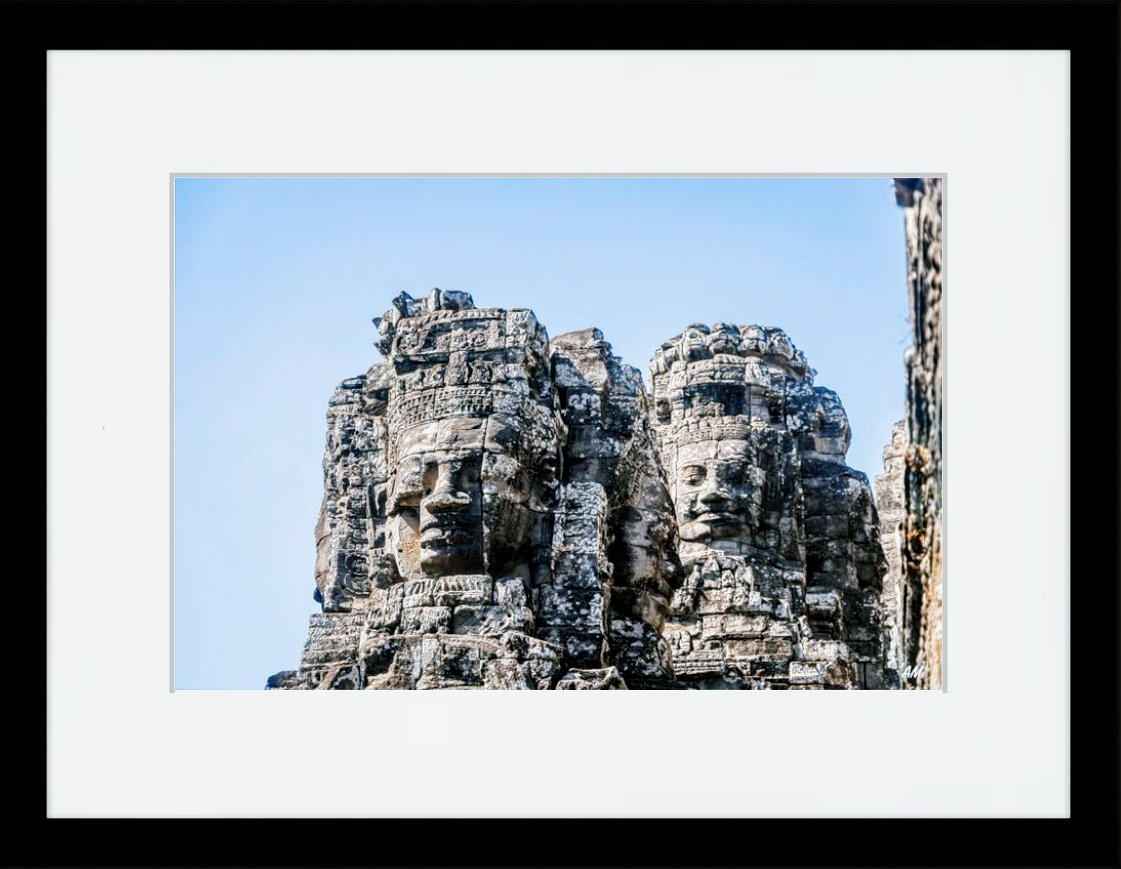
Bayon Temple: The 200 Smiling Faces
This temple features over 200 massive, smiling stone faces. The maze-like corridors can be visually overwhelming.
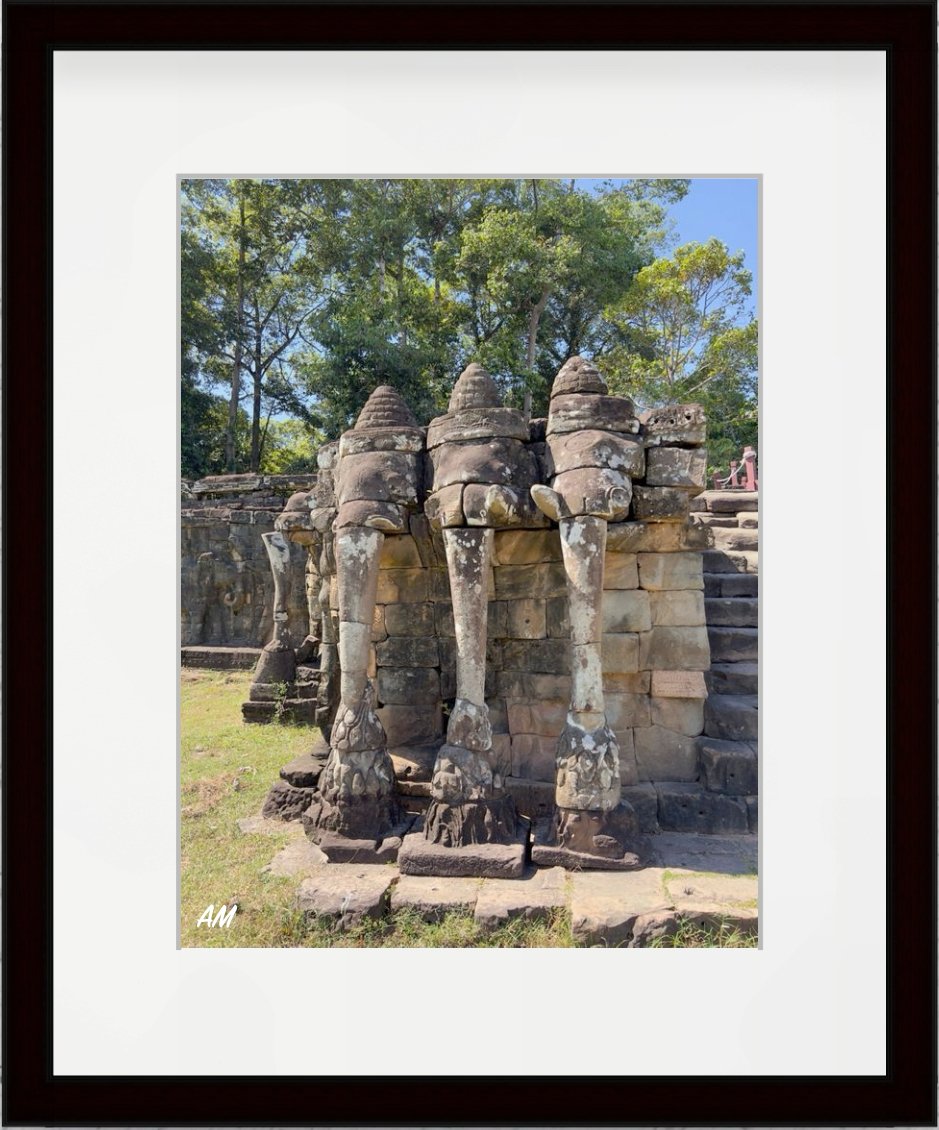
Terrace of the Elephants: Scale and Detail
This 300-metre platform is best photographed in mid-afternoon light. Get low to the ground to capture the scale and relief of the life-sized elephant carvings marching along the retaining walls.
3. Ta Prohm and Banteay Kdei: Nature vs. Stone
These temples showcase the poetic battle between architecture and the jungle — a must for storytelling photography.
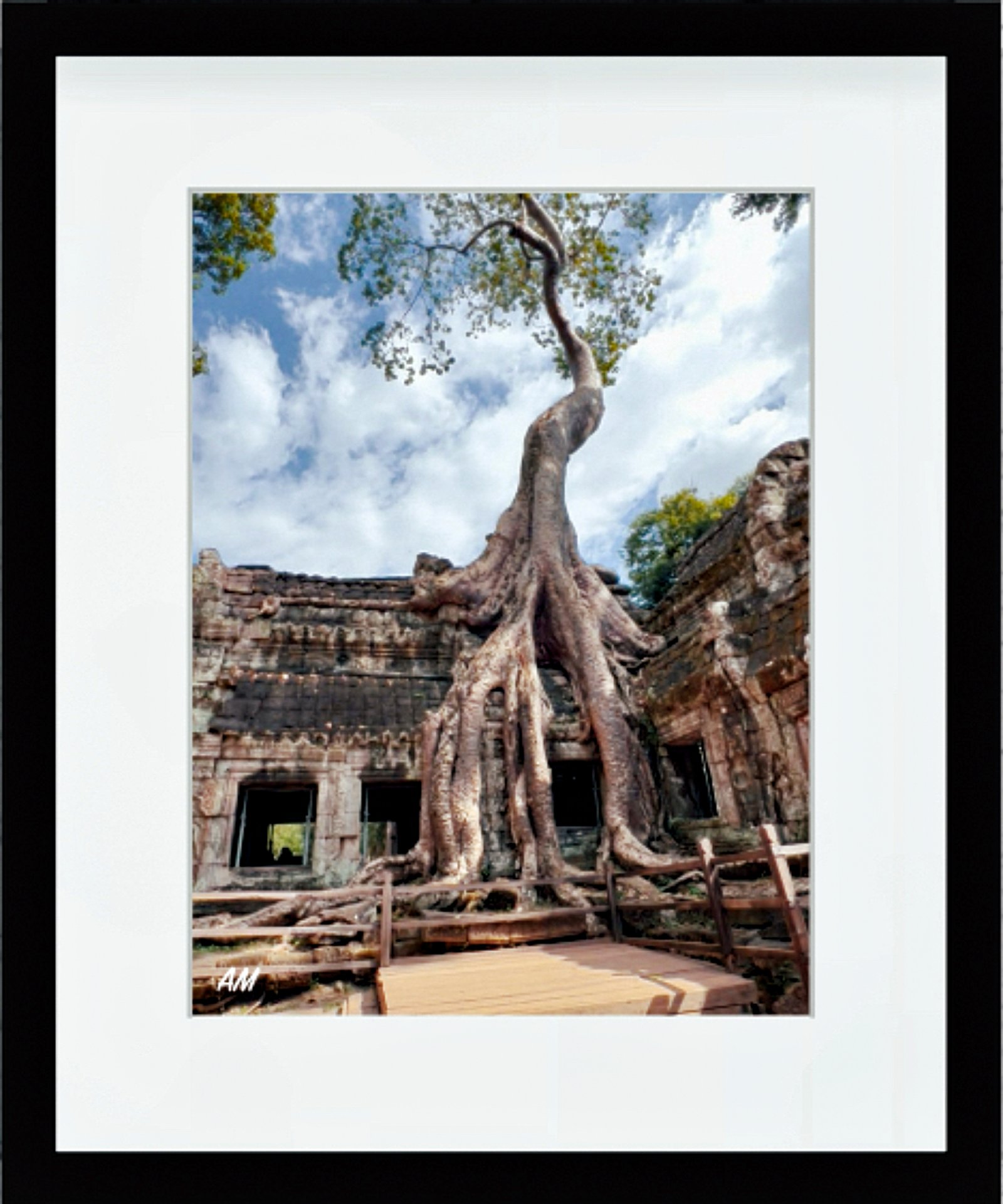
Ta Prohm: The Tomb Raider Temple
Famous for its massive silk-cotton trees wrapping roots around crumbling walls. Arrive early to avoid crowds. Expose for the highlights on the roots and lift shadows in post.
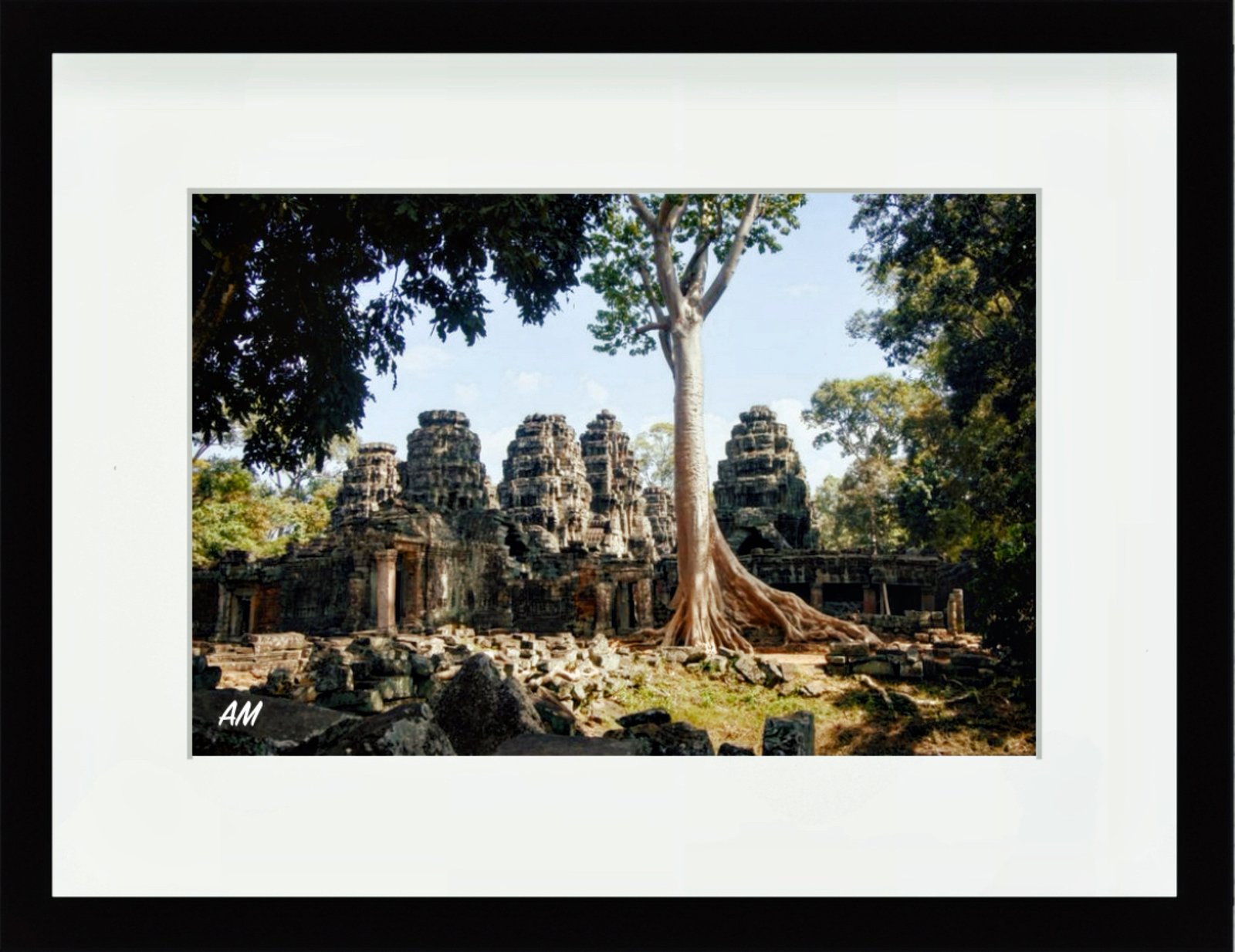
Banteay Kdei: The Quiet Monastery
This quieter, sprawling monastery offers excellent opportunities for framing. Look for crumbling doorways that layer into the distance. The soft, moss-covered stones look best in the gentle light of early morning.
4. The Outer Jewels: Color and Composition
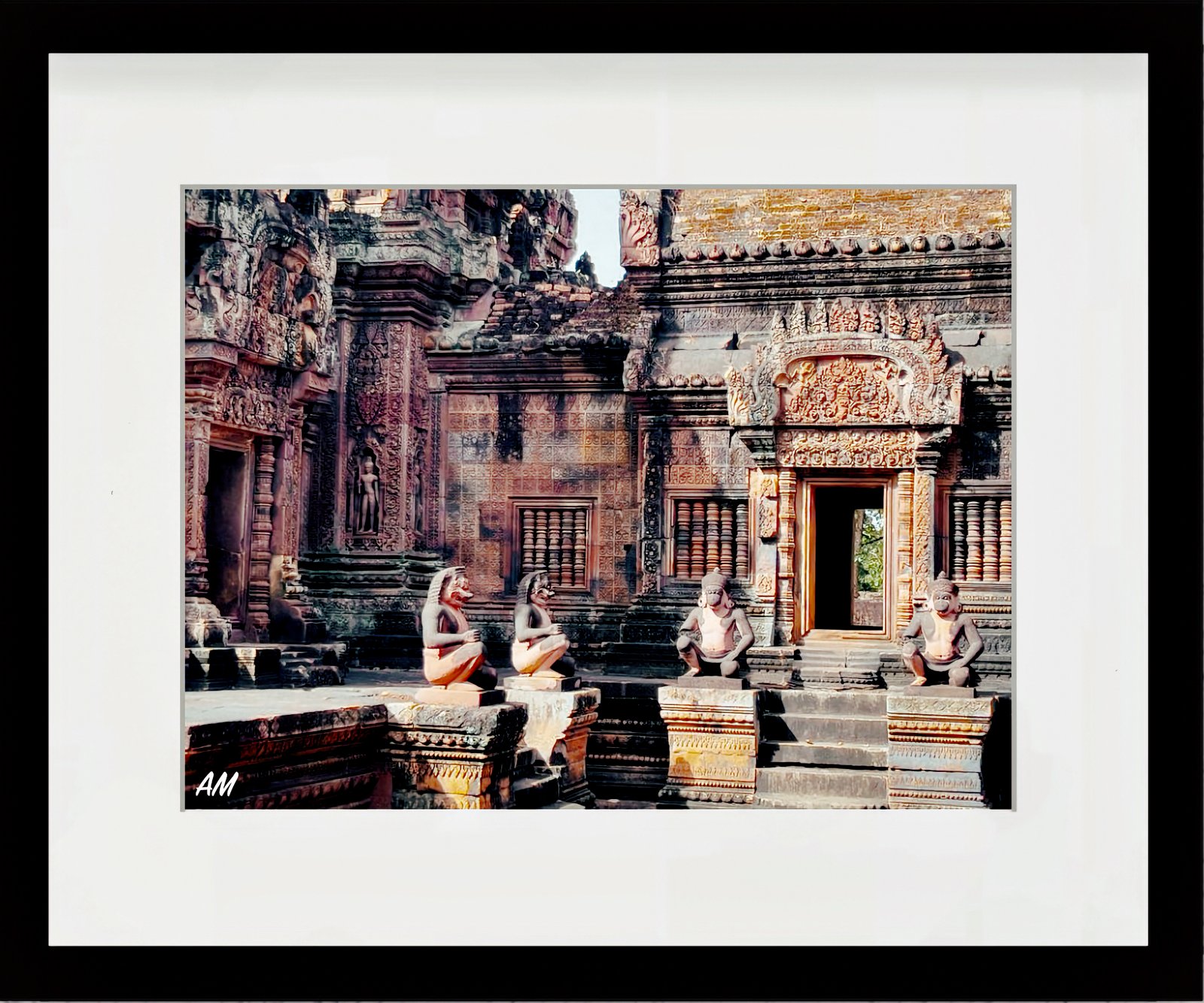
Banteay Srei: The Pink Temple
Built from pink sandstone, this temple holds the finest, most detailed carvings in Cambodia.
Timing: Visit in the very early morning or late afternoon when the warm sun makes the pink stone glow with an intense, fiery hue. Use a macro or portrait lens to capture the deep, three-dimensional details of the lintels and devatas.
Banteay Samre: Symmetry and Leading Lines
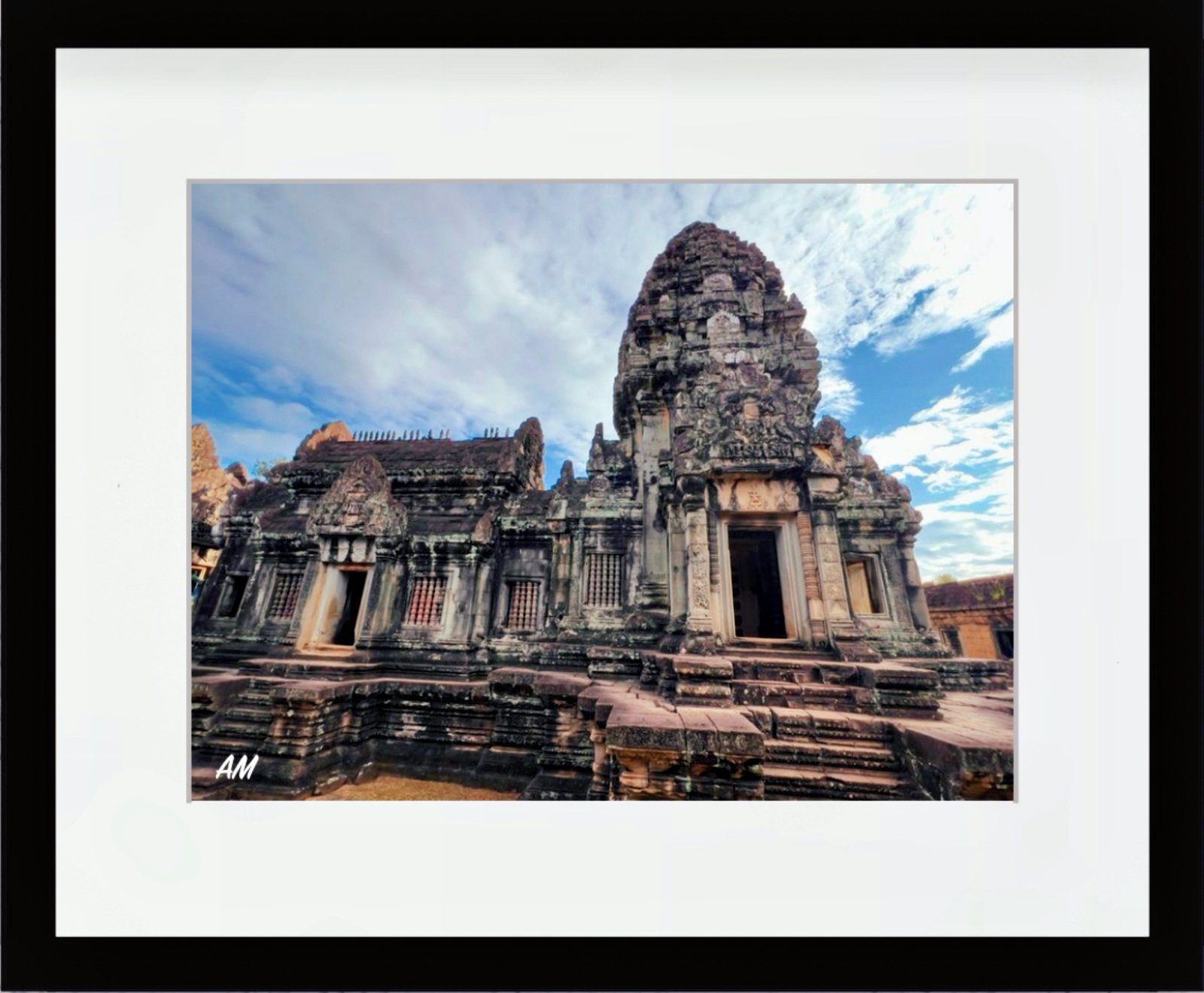
This temple is highly photogenic due to its lack of crowds and excellent restoration. Take advantage of the clean lines, elevated walkways, and inner moats to experiment with symmetrical compositions and leading lines that guide the viewer's eye straight to the central towers.
Final Light Management Tips for Angkor
Photographing Cambodia is an exercise in patience and light management. By matching the right temple to the right time of day, you will take home a breathtaking visual portfolio of this ancient kingdom.
- Gear Checklist: Wide (16-35mm) for Angkor Wat reflections, Telephoto (70-200mm) for Bayon faces, Circular Polarizer, Tripod for sunrise
- Best Season: November to February for soft light and cooler mornings
- Ethics: No flash on bas-reliefs, respect roped areas, ask before photographing monks